A freshly cleaned pool deck can make your outdoor space look brighter, safer, and more inviting. After professional cleaning removes dirt, algae, mildew, stains, and surface buildup, the next goal is to keep the area clean for as long as possible.
In Tallahassee, pool decks are exposed to humidity, rain, pool water, sunscreen, leaves, grass clippings, pollen, and frequent foot traffic. These conditions can cause buildup to return if the surface is not maintained between cleanings.
Around The Bend Pressure Washing is a locally owned, licensed, and insured pressure washing company serving Tallahassee, FL. We help homeowners clean and maintain pool decks, patios, driveways, sidewalks, pavers, and other outdoor surfaces using safe and effective exterior cleaning methods.
Why Pool Deck Maintenance Matters
A pool deck is more than just a walking area around the pool. It is a surface that needs to stay clean, comfortable, and safe for family members and guests. When dirt, algae, mildew, and organic debris build up, the surface can look stained and may become slippery when wet.
Regular maintenance helps protect the results of professional cleaning. It also helps reduce safety concerns, improves the appearance of the pool area, and prevents buildup from becoming harder to remove later.
Rinse Away Pool Chemicals and Splash Marks
Pool water can leave behind chemical residue, mineral marks, and light spotting around the deck. Over time, these marks can become more noticeable, especially near high-splash areas, steps, ladders, and seating areas.
A gentle rinse with a garden hose can help remove light residue before it dries into the surface. This is especially helpful after heavy pool use, parties, or days when the deck stays wet for several hours.
Sweep or Blow Off Leaves and Debris
Leaves, grass clippings, pine needles, and small branches can trap moisture on a pool deck. When debris sits on the surface, it can leave stains and create damp areas where algae and mildew can grow faster.
Sweep the pool deck or use a leaf blower regularly, especially after storms, mowing, windy days, or heavy tree shedding. Keeping the surface clear allows the deck to dry faster and stay cleaner between professional cleanings.
Clean Sunscreen, Food, and Drink Spills Quickly
Pool decks often collect sunscreen, tanning oil, snacks, drinks, and food spills. These can create stains or greasy spots if they sit too long, especially on porous concrete, pavers, stone, or textured surfaces.
When spills happen, clean them right away with a gentle rinse and mild surface-safe cleaning method. Avoid harsh chemicals unless you know they are safe for the deck material and nearby pool water.
Watch for Slippery Areas
Some parts of the pool deck may stay wet longer than others. Shaded corners, areas near plants, low spots, and sections close to drains or splash zones can become slippery faster because moisture sits there longer.
Check these areas regularly. If you notice green, black, or dark patches, or if the surface feels slick underfoot, it may be a sign that algae or mildew is returning. Early attention can help prevent the problem from spreading.
Avoid Using Too Much Pressure Between Cleanings
It may be tempting to use a pressure washer every time the pool deck looks dirty, but too much pressure can damage some surfaces. Pool decks can be made from concrete, pavers, stone, coated surfaces, painted finishes, or textured materials, and each surface may need a different cleaning approach.
Using the wrong pressure or nozzle can leave lines, remove joint sand, damage coatings, lift weak areas, or make the surface uneven. For light maintenance, gentle rinsing and regular debris removal are usually safer than aggressive DIY pressure washing.
Keep Nearby Landscaping Trimmed
Plants, trees, and shrubs around the pool area can drop leaves and keep parts of the pool deck shaded. While landscaping makes the pool area look better, overgrown plants can hold moisture against the surface and increase organic buildup.
Trim back plants where needed and remove leaves from corners and edges. Better airflow and sunlight can help the deck dry faster after rain, pool use, or rinsing.
Check Drainage Around the Pool Deck
A clean pool deck can get dirty quickly if water does not drain properly. Standing water can carry dirt, soil, mulch, and plant debris across the surface. It can also increase algae and mildew growth in low areas.
After rain or heavy pool use, look for areas where water sits for a long time. If the same section always stays wet, cleaning may help temporarily, but drainage improvements may also be needed to prevent repeat buildup.
Use Outdoor Furniture Carefully
Furniture, umbrellas, storage boxes, grills, and pool toys can trap moisture underneath them. They can also leave rust marks, drag marks, or dirt outlines if they are left in the same place for long periods.
Move furniture occasionally so the surface underneath can dry and be cleaned. Use protective feet or pads when possible, and avoid dragging heavy furniture across sealed, coated, painted, or decorative surfaces.
Know When to Schedule Another Professional Cleaning
Even with good maintenance, pool decks still need professional cleaning from time to time. Tallahassee humidity, rain, shade, and outdoor use can cause buildup to return naturally.
If the deck starts to look dull, stained, slippery, or discolored, it may be time to schedule another cleaning. Professional service helps remove buildup safely while protecting the surface and improving the appearance of the pool area.
Simple Pool Deck Maintenance Checklist
• Sweep or blow off leaves, grass clippings, and debris regularly.
• Rinse splash zones and areas with pool chemical residue.
• Clean sunscreen, oil, food, and drink spills quickly.
• Watch shaded or wet areas for algae and mildew growth.
• Move furniture occasionally to prevent moisture marks.
• Trim plants and branches near the pool deck.
• Check for standing water or drainage issues.
• Avoid aggressive DIY pressure washing on delicate surfaces.
• Schedule professional cleaning when buildup becomes visible or slippery.
Frequently Asked Questions
How often should I maintain my pool deck after professional cleaning?
Light maintenance should be done weekly or as needed, especially after rain, storms, pool parties, mowing, or heavy use. Regular sweeping and gentle rinsing can help preserve the results longer.
Why does algae come back on my pool deck?
Algae often returns because of moisture, shade, humidity, organic debris, and standing water. Pool decks in humid areas like Tallahassee may need more frequent attention, especially in shaded sections.
Can I pressure wash my pool deck myself?
Some pool deck surfaces can be damaged by too much pressure. Concrete, pavers, stone, coated surfaces, painted finishes, and textured pool decks may all need different cleaning methods. If you are unsure, professional cleaning is the safer option.
How can I keep my pool deck from getting slippery?
Keep debris off the surface, rinse away residue, clean spills quickly, watch damp areas, and schedule professional cleaning when algae or mildew appears. Slippery areas should be addressed early before they spread.
Does professional cleaning remove all pool deck stains?
Professional cleaning can remove many types of dirt, algae, mildew, and surface buildup. Some deep stains, rust marks, oil spots, or older discoloration may require special treatment depending on the surface and stain type.
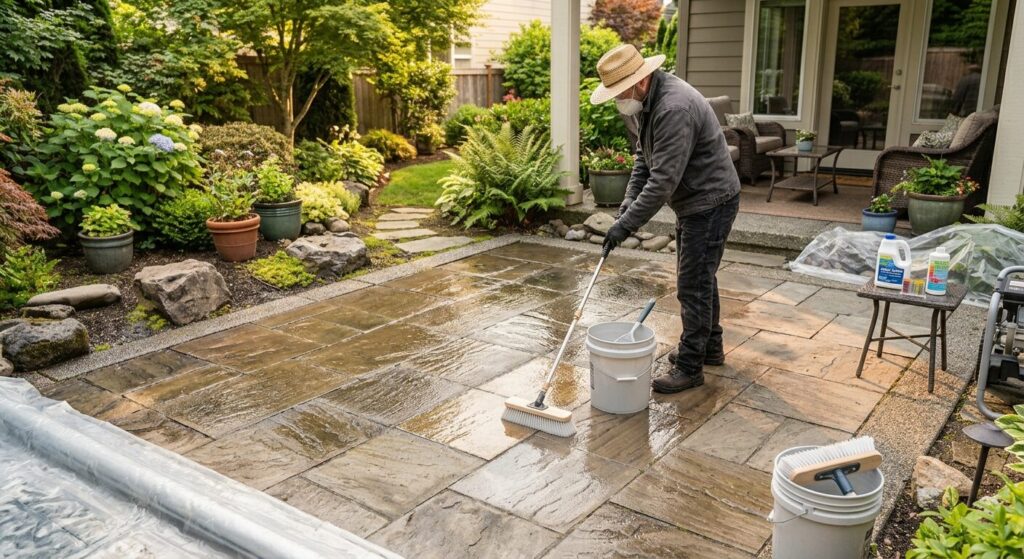
Need Help Maintaining Your Pool Deck in Tallahassee?
If your pool deck is starting to look stained, slippery, dull, or covered with algae and mildew, Around The Bend Pressure Washing can help. Our team provides professional exterior cleaning services for pool decks, patios, driveways, sidewalks, pavers, and other outdoor surfaces throughout Tallahassee, FL.
Call 850-888-2105 to schedule professional pool deck cleaning or request help choosing the safest cleaning method for your outdoor surface.